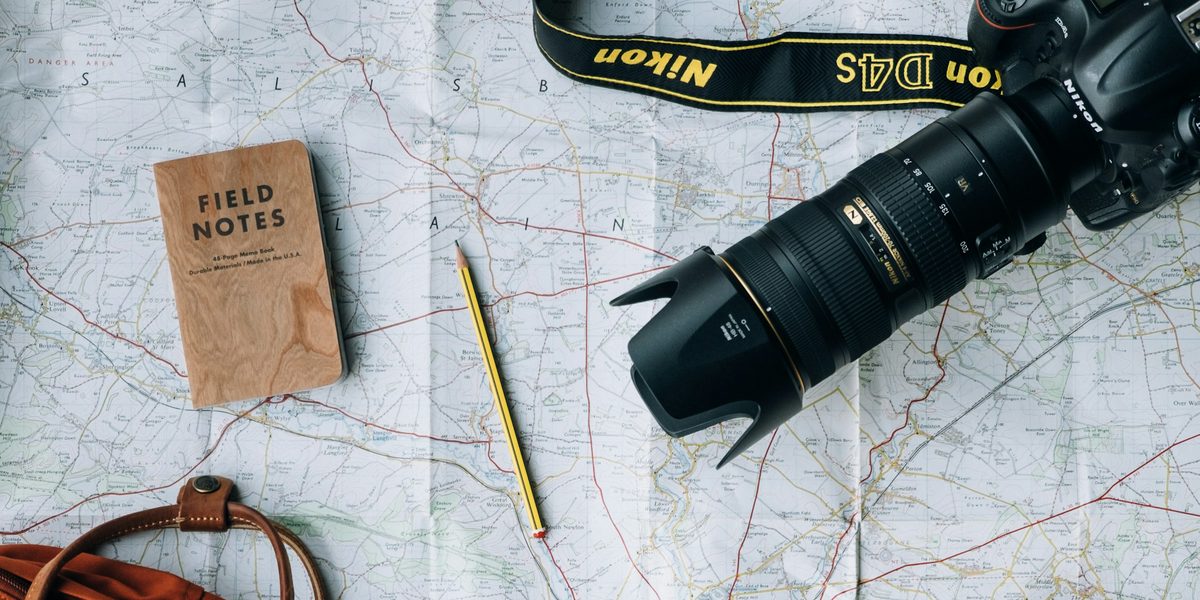
What to Pack for Tuvalu
Complete packing checklist tailored to Tuvalu's climate and culture
Climate Overview for Tuvalu
Tuvalu runs warm and humid, always. The air hangs thick with salt from the surrounding ocean. Sudden rain showers sweep through, leaving coral paths and paved roads gleaming under returning sun. The equatorial sun hits hard. Heat bounces off white sand. Trade winds cool things down. They rustle palm fronds overhead. Pack lightweight fabrics. Breathable materials dry fast after showers. Comfort depends on it.
Clothing & Footwear
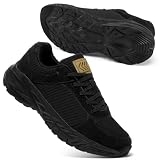
Tuvalu's terrain mixes paved roads, sandy paths, and sharp coral. Good grip matters. Breathable shoes handle the humid air. You will feel secure on uneven ground.

Humidity dominates Tuvalu. Quick-drying fabrics are essential. Cotton stays damp for hours. Synthetics wash easily. They dry fast. This matters in the moist climate.
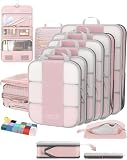
Accommodation stays modest across Tuvalu's islands. Storage is limited. Packing cubes maximize luggage space. They keep belongings organized in small guesthouse rooms.

Day trips to outer islets require supplies. Water and sunscreen for Funafuti exploring fit here. The daypack packs small. It saves space in main luggage.
Electronics & Gadgets

Tuvalu uses Type I outlets. Australia uses these too. A universal adapter covers you. Lodgings across the islands mix outlet types. One adapter handles all.

Power cuts happen in Tuvalu. Outer islands see this most. A high-capacity power bank is essential. Phones need charging. Photos, communication, and navigation depend on it.

Salt and humidity attack electronics in Tuvalu. Corrosion happens fast. Braided backup cables last longer. They charge devices when primary cables fail.
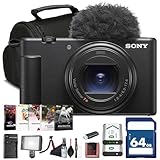
Turquoise lagoons demand good photos. Coral patterns and local life need capturing. A quality camera beats phones. Bright, reflective light challenges sensors. Dedicated cameras handle it better.
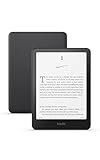
Evenings in Tuvalu are quiet. Waves lap gently against shores. An e-reader works here. No glare. Physical books add weight. E-readers don't.

Guesthouse rooms in Tuvalu offer one or two outlets. Sometimes fewer. A power strip helps. Multiple devices charge at once. Limited infrastructure makes this necessary.
Toiletries & Health

Small aircraft serve Tuvalu. Security checks need clear bags. Organization speeds things up. Island bathrooms are compact. Contained essentials help here.

Outer islands carry basic medical supplies. Personal kits fill gaps. Antiseptic, bandages, and coral cut treatments matter. Sunburn relief too. Immediate care prevents bigger problems.
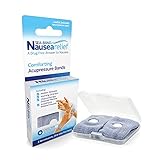
Boat transfers between Tuvalu's islets get choppy. Seasickness bands work. They steady you. No drowsy side effects. Natural pressure points do the job.

Solid bars travel better. No leaks in humid luggage heading to Tuvalu. Less plastic waste. The islands value environmental care. Bars align with this.

Medication supplies vary in Tuvalu. Specific pharmaceuticals can be scarce. Bring enough for your entire stay. Running out is not an option here.
Documents & Security
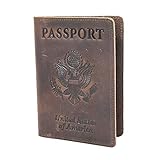
Humidity and sand threaten documents in Tuvalu. Passports need protection. Visitor permits too. Critical papers stay organized. Damage prevention matters.

Cash rules in Tuvalu. Credit cards fail at smaller shops. Markets prefer bills. A money belt carries discreetly. Security without advertising wealth.

Multi-leg flights reach Tuvalu. Locks secure bags through connections. Accommodation safeties vary. Personal locks add control. Peace of mind through complex routing.
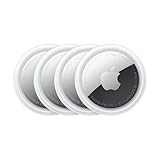
Tuvalu sits remote. Flights connect through multiple cities. Checked luggage can wander. Trackers locate bags. Visibility through the journey helps.
Comfort & Convenience
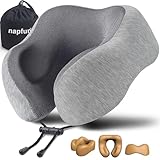
Reaching Tuvalu takes time. Overnight flights are common. Layovers stretch hours. Comfort accessories help. Long segments demand support.

Sunrise over Tuvalu's lagoon is bright. Early mornings wake you. Sleep masks help. Flights need them too. Rest despite the light.

Generators hum in Tuvalu. Roosters crow early. Light aircraft pass overhead. Small communities make noise. Earplugs block it. Sleep stays possible.

Airplane cabins run cold. Tuvalu's evenings can too. Trade winds pick up. A light layer helps. Warmth without bulk.
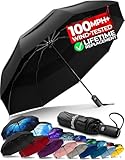
Rain arrives fast in Tuvalu. Brief but heavy. A windproof umbrella handles gusts. Exploration continues. No need to shelter indoors.

The Funafuti Cooperative Society store sells groceries. Handicraft stalls offer souvenirs. A reusable bag carries both. Plastic reduction aligns with local values.
Beach & Water Gear
Sun intensity hits hard in Tuvalu. Water reflects it. Sand amplifies it. Reef-safe sunscreen protects you. Coral ecosystems need protection too. Fragile lagoons demand care.
Beach days define Tuvalu. Towels need to dry fast. Compact packing helps. Sand shakes off easily. Humidity won't trap moisture.
Coral cuts hurt. Sea urchins lurk. Sand burns hot. Water shoes protect feet. Lagoons and tidal pools need this barrier.
Tuvalu's lagoons run clear and warm. Fish flash colors. Coral formations spread below. Rental gear fits poorly. Personal equipment ensures proper fit. Exploration rewards preparation.
Seasonal Packing Adjustments
What to add or skip depending on when you visit
Wetter Season
November, December, January, February, March
Add: Additional quick-dry clothing, Waterproof bag for electronics, Lightweight rain jacket
Shop Wetter Season essentials →November through April brings heavier rain. Corrugated roofs amplify sound. Humidity persists longer. Showers stretch out. Waterproof your daypack. Protection matters now.
Drier Season
April, May, June, July, August, September, October
Add: Even more sunscreen, Wide-brimmed hat, Lip balm with SPF
Shop Drier Season essentials →May through October brings stronger sun. Cloud cover thins. UV exposure peaks. Sun protection is non-negotiable. Every outdoor activity needs it.
Luggage Recommendation
Pack a soft-sided duffel bag or a backpack. These prove more practical than hard-shell suitcases for Tuvalu. Storage in boats between islands and in smaller guesthouses is easier with flexible luggage. A 40-60 liter backpack or a medium-sized duffel is typically sufficient. Check that it meets carry-on size restrictions for the smaller regional aircraft that serve the islands.
Shop Carry-On Luggage on AmazonPro Packing Tips
Practical advice from experienced travelers
Don't Pack
- Leave heavy jeans behind. Denim jackets too. Tuvalu's climate punishes both. Heat traps in thick fabric. Drying takes forever. Choose lighter options.
- Skip expensive jewelry. Tuvalu's casual setting doesn't require it. Security risks exist. Unnecessary attention attracts problems. Keep it simple.
- Don't overpack snacks. The Funafuti Cooperative Society store stocks basics. Local options suffice. Luggage space is precious. Save it for essentials.
- One or two casual outfits suffice. Tuvalu's dress code stays relaxed. Modest casual wear works everywhere. Formal clothes collect dust. Pack accordingly.
- Skip the hardcover guidebook. Information is limited; a downloaded digital guide is more practical.
- Leave the bulky beach towel at home. Accommodations provide towels, and a compact travel towel is sufficient for excursions.
Buy Locally
- Get a local SIM card with data. Purchase a TikTel SIM from the office near the airport on Funafuti for reliable local connectivity.
- Buy Sulawesi (lavalava). These traditional wraparound skirts are sold at markets and are culturally appropriate and comfortable to wear.
- Eat fresh fruit like breadfruit and coconuts. Buy these from roadside stalls or the market for the freshest taste of Tuvalu.
- Pick up handicrafts and woven fans. Support local artisans by purchasing these directly from craft stalls, often found near the maneapa (community hall).
Packing Hacks
- Roll clothes instead of folding to save space
- Pack shoes in shower caps to protect clothes
- Use packing cubes to stay organized
- Keep essentials in your carry-on
Continue Planning Your Trip
More guides to help you prepare
Ready to plan your trip to Tuvalu?
Now that you've got the research covered, here's where to go next.